
Canberra sensory-friendly museum visits during school holidays
Choose a Canberra museum visit using the operator’s specific sensory resources and the actual session, rather than an all-venue “quiet” label. The National Museum’s Discovery Centre quiet hours require a paid booking; Questacon provides gallery sensory information and Access day announcements; the National Gallery has free access programmes and published quieter-time guidance. None confirms every 2027 holiday session in advance.
Compare the scope of the support
| Venue / resource | What is actually offered | Before booking |
|---|---|---|
| National Museum Discovery Centre | Quiet-hour sessions with reduced sound/light; current first-Tuesday pattern | Discovery Centre charges apply; book the actual session; this is not the whole museum |
| Questacon | Accessibility Guide, gallery sensory information, quiet-space details and social scripts | Check the actual route, paid entry and any announced Access day |
| National Gallery of Australia | Free access programmes; standard collection admission free; selected exhibitions paid | Choose a dated programme or self-led route and confirm conditions |
| Any quieter-time recommendation | An ordinary visitation pattern | Not a guarantee of silence, especially during school holidays |
Questions to put to the venue
| Need | Ask before choosing |
|---|---|
| Noise / lighting | Which parts use sound or changing/flashing light, and can we bypass them? |
| Breaks and exits | Where is the suitable break space, and what are the re-entry conditions? |
| Booking | Must both children and accompanying adults hold tickets? |
| Access equipment | Can the required item be reserved, and how is it collected? |
| 2027 date | Is this session confirmed for our actual holiday visit, or only a usual programme pattern? |
National Museum: book the specific quiet session
The Tim and Gina Fairfax Discovery Centre has a Visual Story showing the play areas, arrival and session process. Read it together if that helps the child understand what will happen.
The current quiet-hours pattern is the first Tuesday of the month, with reduced music, sound and lighting. Bookings are essential and Discovery Centre entry charges apply. This is a condition of a particular play-space product, not a promise that the whole museum will be quiet.
Use the actual calendar before choosing a 2027 day. Free community days and term-time sensory play have their own conditions; the Wednesday term-time pattern should not be advertised as a holiday session.
Questacon: compare the gallery route with the child’s needs
Questacon’s current Accessibility Guide covers entrances, facilities, sensory support, quiet spaces, gallery information and social scripts. Use those resources to decide which areas to visit and which to leave out.
The operator describes a highly stimulating environment and offers Access days with quieter conditions announced separately. Read the current event before booking. A general admission ticket does not establish that it is an Access day.
The published quietest-time guidance—3pm–5pm on weekdays during ACT school terms—does not describe an ordinary school-holiday afternoon. Do not transfer a term-time recommendation to the holiday timetable.
Choose a few suitable exhibits and a break, with an agreed finish. Ask staff about the actual route and any show before joining it; a science demonstration can have different sensory conditions from the surrounding gallery.
National Gallery: self-led route or access programme
The National Gallery provides free access programmes designed with and for people with disability and access requirements. Its current page lists a monthly sensory-friendly programme; the actual dated session and booking conditions still need checking.
For a self-led visit, general collection admission is free while some major exhibitions are ticketed. The access page identifies staff support, equipment enquiries, facilities and a map. Discuss the intended route rather than relying on the building’s general access description.
The Gallery suggests that Monday–Wednesday tend to be less busy and recommends after 2pm for a quieter visit, while warning that school holidays and major exhibitions can be busier. Treat that as operator guidance, not a guaranteed sensory condition.
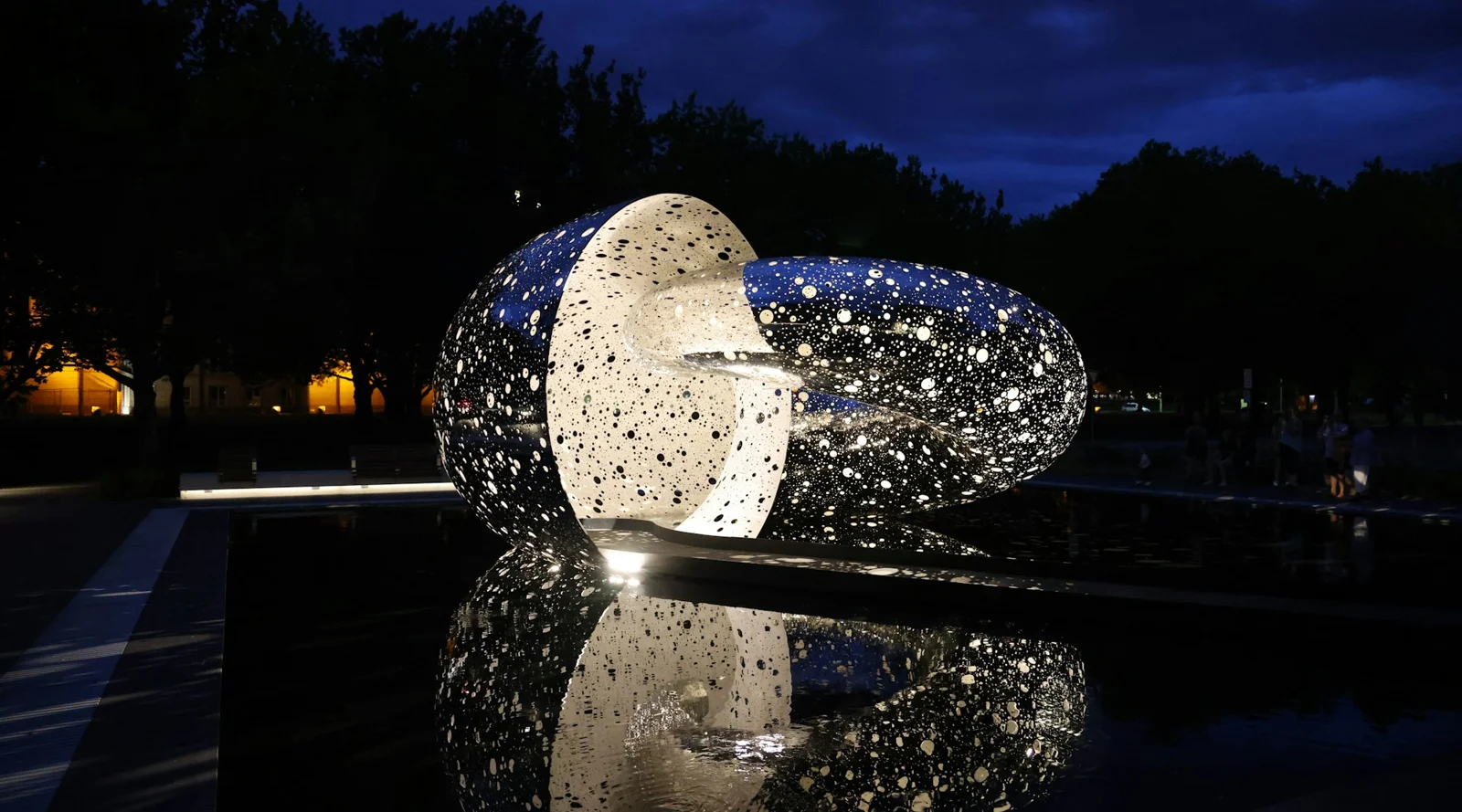
Building and sculpture-garden works can close areas temporarily. Check the current notice and the exact arrival route; a photographed outdoor artwork does not establish the availability of every nearby path.
A small visit with a workable return
Choose one venue and one route or booked session. Preview the relevant Visual Story or map, ask the unanswered questions and agree on a break and a finish. A shorter successful visit can be more useful than completing every gallery.
Keep the transport and meal plan simple. An accessible parking space or nominally short walk does not settle the group’s needs; confirm the actual entrance, exposed route and equipment arrangements with the venue.
If a specific 2027 quieter session has not been announced, record it as awaiting confirmation and choose another verified option. These resources support a family decision; they do not make a universal suitability claim.
This guide complements the ACT network’s broad rainy-day list by comparing specific sensory resources, paid/free scope and booking questions. Use ACT student-attendance dates and the school’s own calendar to select a day.
Choose a day your children are off
The dates cover government schools. Catholic and independent schools, year-level finishes and local pupil-free days can vary.
Sources and checks
Official operator pages checked 25 Nov 2026. Admission information can change before your 2027 visit. Ongoing attractions are distinguished from separately dated exhibitions and programmes.